Workflow diagnosis
We follow real work end to end, including unofficial steps, exceptions and the decisions that documentation misses.
Loading...
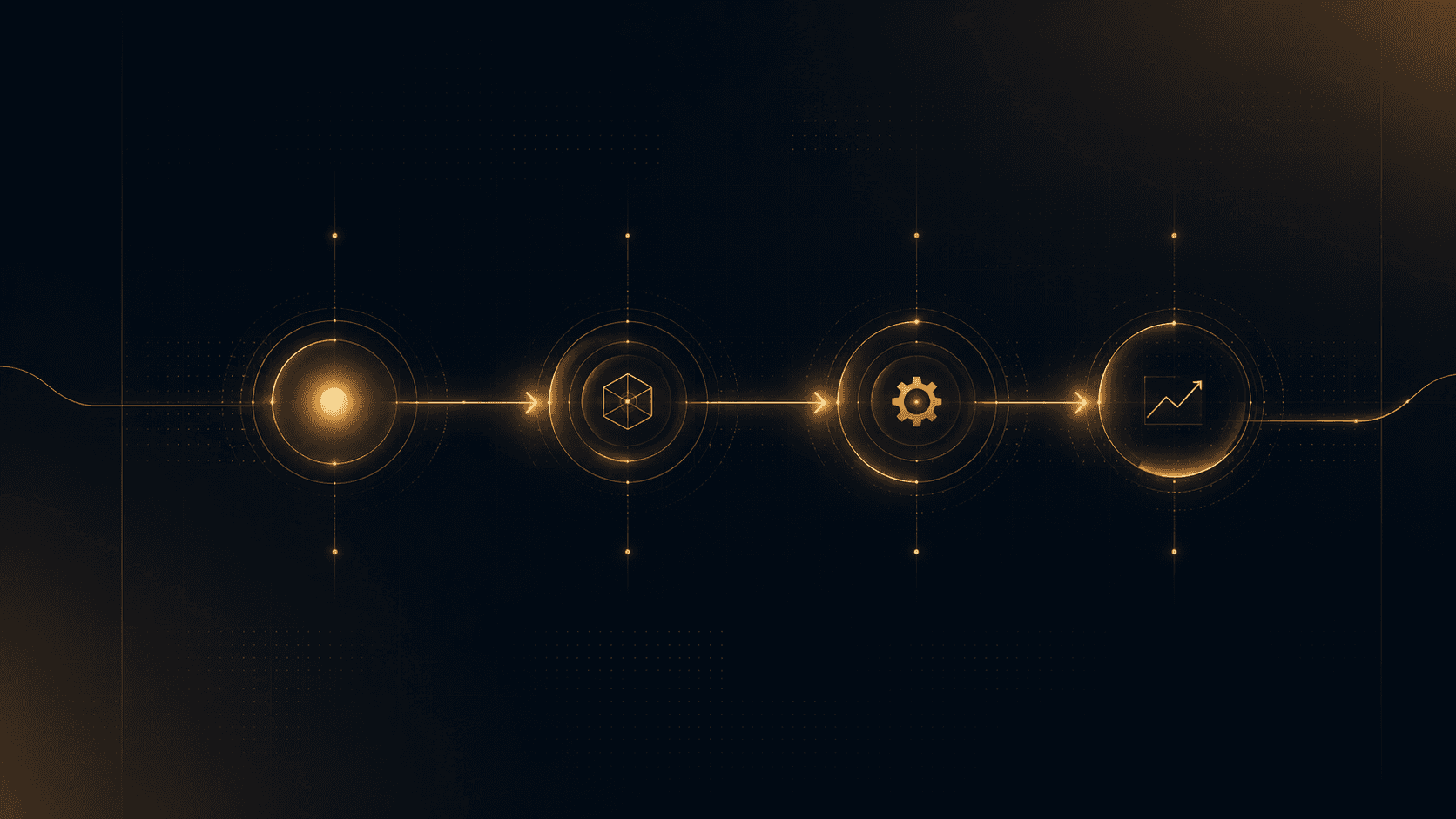
We design dashboards, portals, administrative systems and workflow tools around how the organisation actually operates—not how a generic platform assumes it should.
The service thesis
Internal tools sit inside a living operation. They carry handoffs, exceptions, permissions, institutional memory and the information people use to make decisions. Zoe begins with that operating reality, then builds the smallest coherent platform that improves visibility and reduces avoidable effort.
Which parts of the operation need a shared system, what should remain flexible and how the platform will become part of daily work.
When this is the right engagement
Critical work moves through spreadsheets, messages and personal memory with no dependable source of truth.
Teams re-enter or reconcile the same information because existing tools do not reflect the real workflow.
A generic product requires so many workarounds that the organisation is effectively maintaining a shadow system.
Leaders need better visibility without adding reporting work for the people already doing the operation.
What Zoe does
The work stays connected from the operating decision through design, engineering and ownership.
We follow real work end to end, including unofficial steps, exceptions and the decisions that documentation misses.
We establish the entities, relationships, permissions and sources of truth the operation depends on.
We build the dashboards, portals, forms, integrations and administrative controls required by the workflow.
We introduce the system with migration, training and feedback loops designed around the people who will carry it.
The delivery spine
Map the real workflow, the recurring friction and the information people need at each decision.
Remove avoidable steps and clarify ownership before software makes the process harder to change.
Deliver the common path first, then add exceptions and integrations with evidence.
Migrate carefully, support adoption and establish who owns its continued evolution.
What the organisation owns afterward
The right people can see the state of work without reconstructing it from multiple sources.
Information is captured, validated and carried through the workflow with fewer manual handoffs.
Clear ownership, documentation and architecture for continued internal use and change.
Share the context, the constraint and the decision in front of you. We will help determine whether this is the right engagement—or point you toward a better one.